The first time you sing in front of someone else can feel bigger than it should. Your voice is personal. There is no instrument to hide behind. But the right singing lessons Philadelphia students can count on turn that nervous energy into something powerful: a voice that feels stronger, freer, and ready to be heard.
At Rawk U, voice lessons are not about chasing perfection or forcing every singer into the same polished sound. They are about learning how your voice works, building real musical skills, and applying them to songs you are excited to sing. Whether you are seven or 70, a total beginner or a returning singer, there is a place to start.
What Great Singing Lessons Actually Teach
A good voice lesson should give you more than a song to practice. It should help you understand why a note feels easy one day and impossible the next, why your voice gets tired, and how to communicate a lyric without losing your technique.
Students build their foundation through breathing, posture, pitch matching, ear training, rhythm, vocal placement, and healthy tone production. These skills matter because singing is physical. When breath support and technique are working together, you do not have to push, strain, or guess your way through every high note.
That does not mean lessons should feel like homework with a piano. The best learning happens when fundamentals connect to music you recognize. A student who is working on vowel shape and breath control through a favorite rock chorus has a reason to repeat it. A young singer learning rhythm through a song they already love is developing musicianship without losing the fun.
Technique Helps You Sound More Like Yourself
Many new students arrive with the same worry: “Will lessons change my voice?” Healthy instruction should not erase your personality. It should give you more control over it.
Maybe you want a clean pop sound, a gritty rock edge, stronger belting, or the confidence to sing softly without disappearing. Those goals require different choices, and the right approach depends on your current voice, musical style, and experience. Great teachers listen first, then build a plan that fits the singer in front of them.
Why In-Person Voice Lessons Make a Difference
Videos and vocal apps can be useful for inspiration, but they cannot hear the details a trained instructor catches in real time. Is a student running out of breath because they are lifting their shoulders? Are they missing pitch because they cannot hear the interval yet, or because the key is not right for their range? Is tension showing up in the jaw, neck, or tongue?
Those small details are where progress happens. In-person instruction gives students immediate feedback and a clear next step instead of a vague reminder to “sing from your diaphragm.” It also creates accountability. When a student has a weekly lesson, a supportive teacher, and songs they want to improve, practice becomes part of the routine.
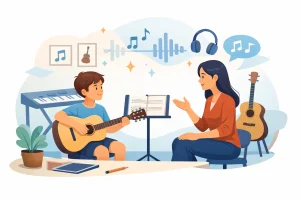
For kids and teens, the face-to-face connection matters just as much. Singing can make young musicians feel exposed at first. A patient teacher creates a space where it is safe to try, crack a note, laugh, reset, and try again. That confidence carries beyond music.
Singing Lessons for Kids, Teens, and Adults
Voice students do not all need the same thing. A seven-year-old may be learning to match pitch, follow a beat, and sing out with confidence. A teenager may be preparing for an audition, writing original music, or figuring out how to sing powerful choruses without vocal fatigue. An adult beginner may simply want to stop singing under their breath in the car and finally take a real shot at the songs they love.
Private lessons make room for those different goals. Beginners need a clear, encouraging path. More experienced singers need challenges that match their ability, whether that means expanding range, improving phrasing, developing harmony skills, or polishing a performance.
Adults often think they are “too late” to start because they did not grow up in choir or never considered themselves naturally talented. That is not a reason to stay stuck. Singing is a skill. Natural ability can help, but focused instruction, consistent practice, and the courage to be a beginner matter far more over time.
From the Practice Room to the Stage
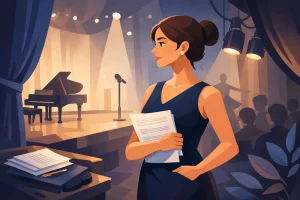
A voice can improve in private, but performance teaches a different kind of confidence. Singing through nerves, hearing yourself in a room, recovering after a missed lyric, and connecting with an audience are all skills that grow by doing.
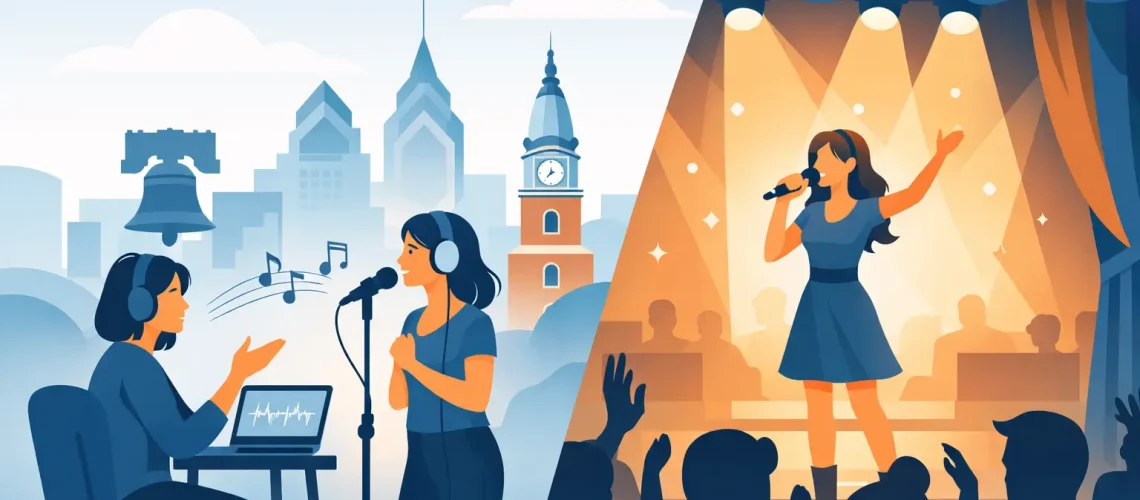
That is why performance opportunities matter. Students who work toward a live show have a concrete goal beyond “get better.” They learn to prepare songs all the way through, use a microphone, stand with presence, and keep going when adrenaline kicks in. The result is not just a better singer. It is a musician who knows they can show up.
For students who are ready to go further, playing with others adds another level. A singer in a band learns to lock into the drummer, listen for cues, leave space for instruments, and lead a song without dominating it. Programs such as Grace the Stage bring that experience to life in a focused rock band setting, giving students a chance to rehearse and perform as part of a real group.
Performance Is Not Reserved for “Natural” Singers
You do not need a huge voice, years of experience, or a perfect first lesson to perform. You need preparation, guidance, and a supportive environment that treats growth as the goal.
Some students are ready to step into the spotlight quickly. Others need time to build trust in their voice before they are comfortable sharing it. Both paths are valid. The key is having a school that can meet students where they are while still giving them something exciting to work toward.
What to Look for in Singing Lessons in Philadelphia
When comparing singing lessons in Philadelphia, look beyond a teacher’s schedule and price. Ask what students actually learn, how lessons are tailored, and whether the instructor has experience performing as well as teaching. Working musicians bring practical insight into rehearsals, microphones, live sets, and the realities of making music with other people.
It also helps to know what happens after the first few lessons. Can a beginner start singing real songs within four to six weeks? Is there a clear path from private instruction to a group program or concert? Are students learning music theory and rhythm alongside their favorite songs? Those details separate a lesson that feels like an isolated activity from one that builds lasting musicianship.
A free trial lesson can make the choice easier. It gives students and parents a chance to meet the instructor, experience the teaching style, and see whether the environment feels encouraging. For a new singer, that first step should feel exciting, not like a high-pressure audition.
How to Get More From Your Voice Lessons
Progress does not require marathon practice sessions. Short, focused repetition usually beats singing until your voice is tired. Practice a section slowly, pay attention to the specific goal your teacher gave you, and stop if your throat feels strained or painful. Healthy singing may feel challenging, but it should not hurt.
Record yourself occasionally, not to criticize every detail, but to hear growth over time. Keep lyrics handy, listen closely to the original recording, and practice with intention. If you only have ten minutes, work on one tricky phrase, one rhythm, or one breath plan. Those small wins add up fast.
Most of all, choose songs that make you want to come back tomorrow. The work is real, but music should still feel like music. Book your FREE Trial Lesson, bring a song you love, and give your voice the room to get louder, stronger, and more fearless.